The Plant
These striking flowers are members of the super-toxic family Ranunculaceae, which also includes hellebores, columbines and aconites. There are hundreds of species in the Delphinium genus and most cultivars and hybrids come from Delphinium elatum or D. grandiflora. They’re related to larkspur, the Consolida genus, and look very similar — and confusingly some people use the two names interchangeably.
What It Looks Like
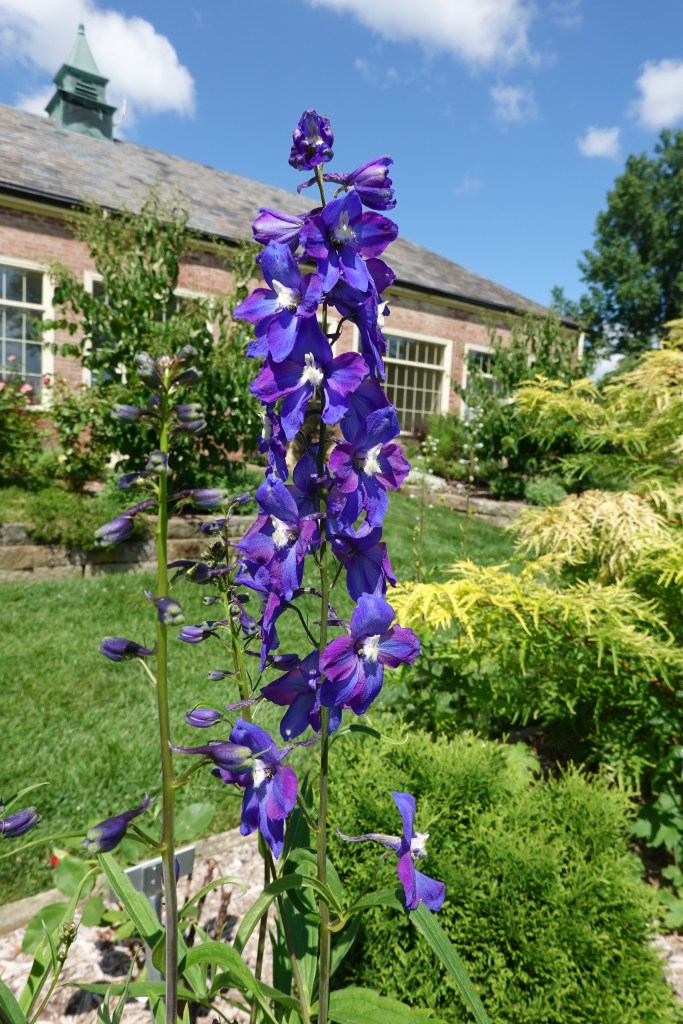
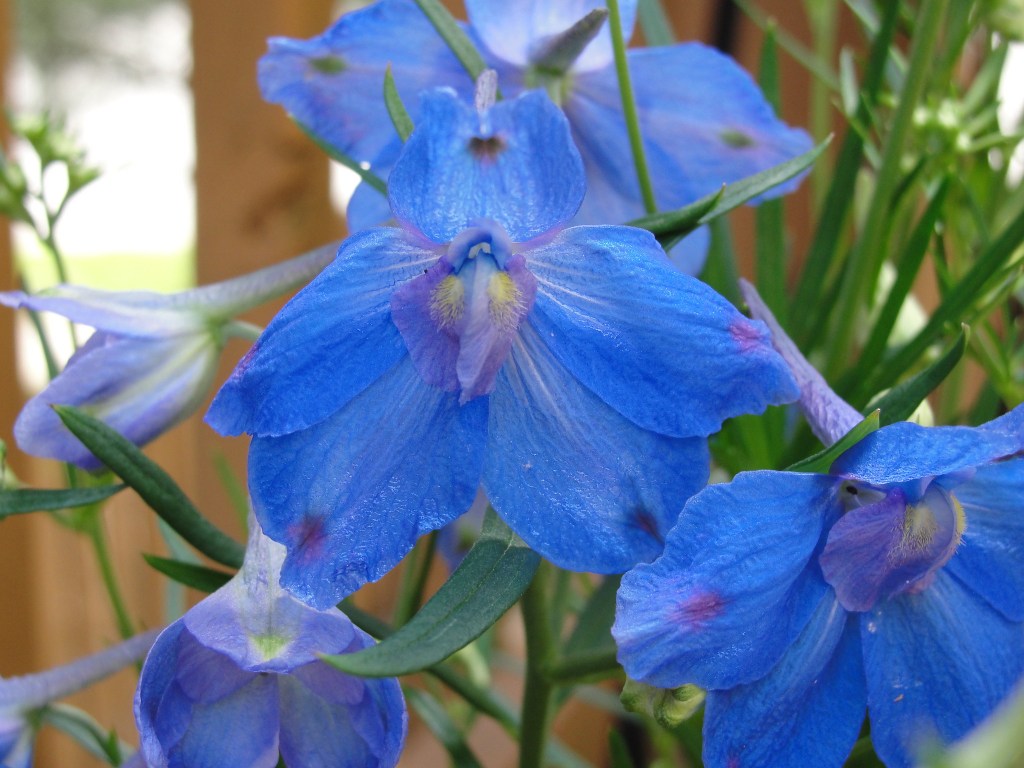
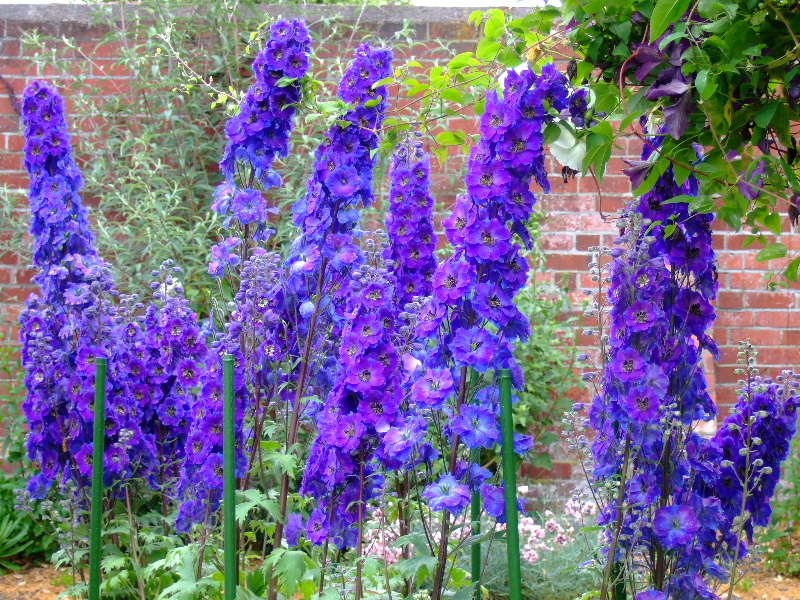
Delphiniums can grow from 1-7 feet tall, with dark fern-like, fan-shaped leaves at the base of the stalk and topped with large racemes bearing many individual flowers. The name comes from the Greek word for “dolphin” because someone thought the flowers look like marine mammals, but … well, maybe if you squint a lot. They’re an unusual shape, with a hollow spur behind the petals that looks a little like a thorn. Flowers range from deep indigo blue to pinks and yellows.
Use
Decorative
Where You’ll Find It
Delphiniums are native to the Northern Hemisphere and are common in landscaping.
The Poison
All parts of the plant contain diterpenoid alkaloids and it doesn’t take much to do real harm. It can be absorbed through the skin or inhaled if you burn the plants.
Symptoms of Poisoning
Contact can cause skin irritation even in small doses. Ingesting any part of the plant can cause nausea, vomiting, diarrhea, convulsions, paralysis and death by respiratory failure or heart failure.
Ruby Madder’s Recommendation
The flowers are gorgeous, so I can see the appeal — but since the poison can be absorbed through the skin, only knowledgeable gardeners should grow delphiniums. The plants aren’t easily mistaken for something edible, but always wear gloves, and keep children and pets away.
 Ruby Madder's Field Guide to Poisonous Plants
Leave a comment