• Delphinium

    The Plant
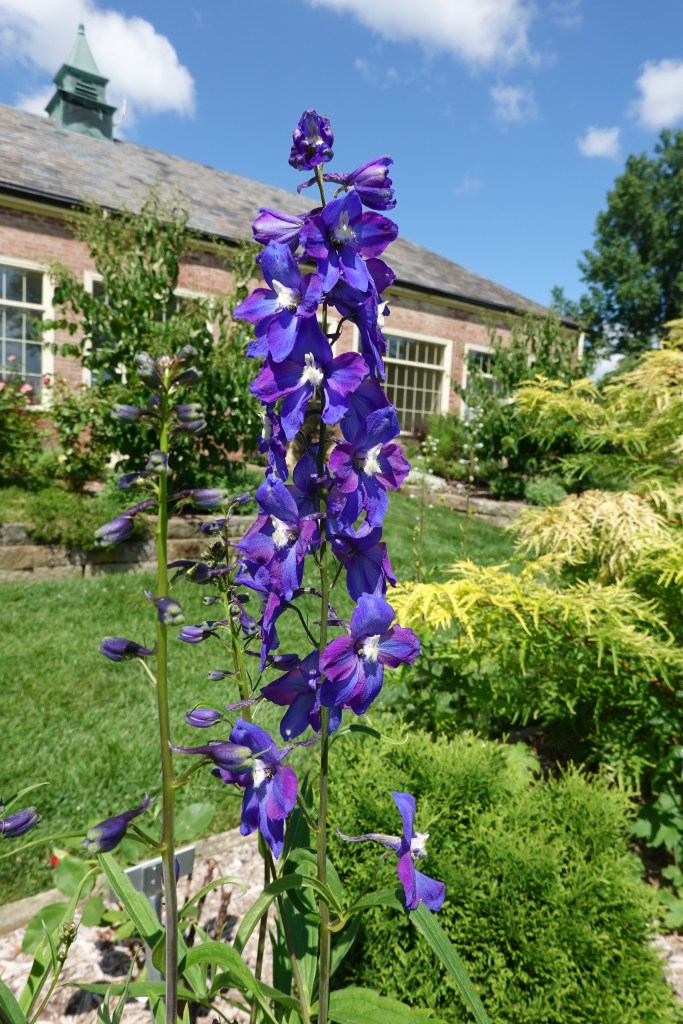
    These striking flowers are members of the super-toxic family Ranunculaceae, which also includes hellebores, columbines and aconites. There are hundreds of species in the Delphinium genus and most cultivars and hybrids come from Delphinium elatum or D. grandiflora. They’re related to larkspur, the Consolida genus, and look very similar — and confusingly some people use the two names interchangeably.
    (Photo by Ruby Madder)

    What It Looks Like
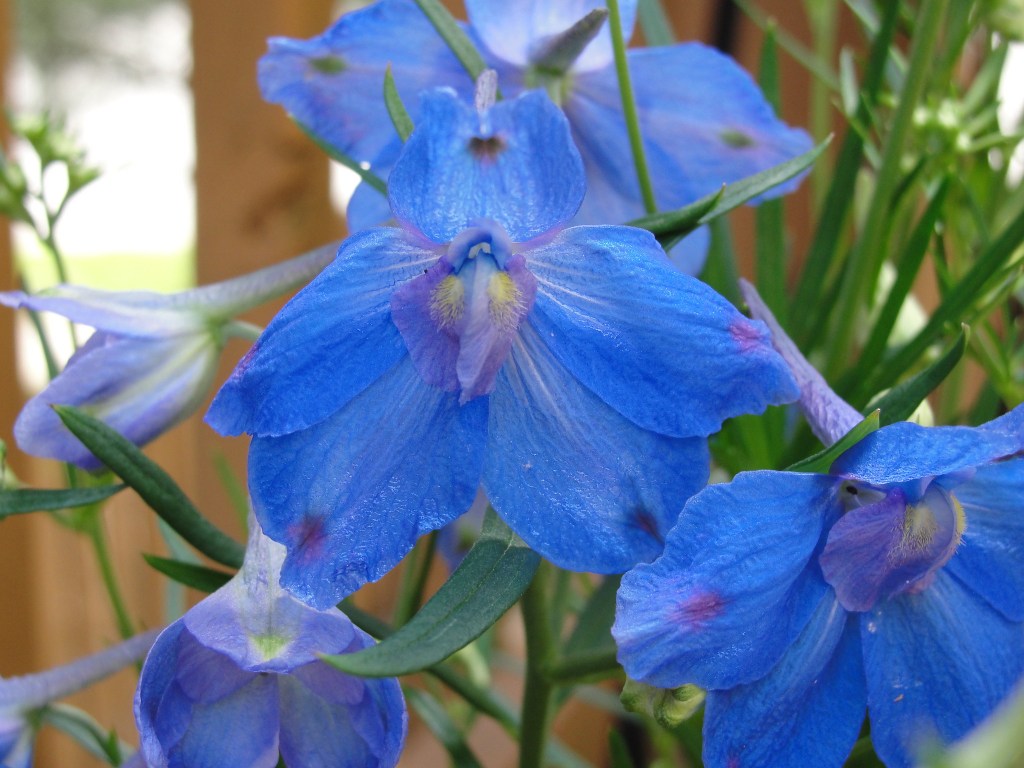
    Delphiniums can grow from 1-7 feet tall, with dark fern-like, fan-shaped leaves at the base of the stalk and topped with large racemes bearing many individual flowers. The name comes from the Greek word for “dolphin” because someone thought the flowers look like marine mammals, but … well, maybe if you squint a lot. They’re an unusual shape, with a hollow spur behind the petals that looks a little like a thorn. Flowers range from deep indigo blue to pinks and yellows.
    (Photo by F Delventhal)

    Use
    Decorative

    Where You’ll Find It
    Delphiniums are native to the Northern Hemisphere and are common in landscaping.
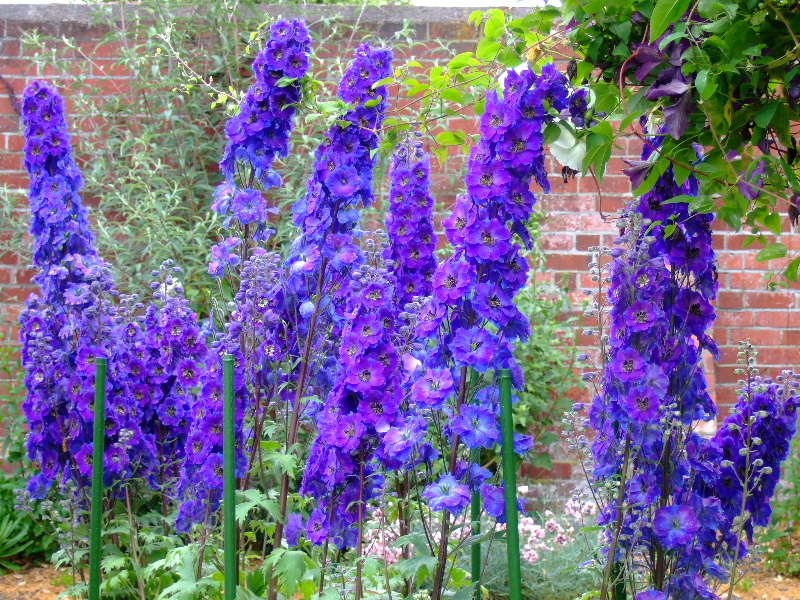
    (Photo by yewchan)

    The Poison
    All parts of the plant contain diterpenoid alkaloids and it doesn’t take much to do real harm. It can be absorbed through the skin or inhaled if you burn the plants.

    Symptoms of Poisoning
    Contact can cause skin irritation even in small doses. Ingesting any part of the plant can cause nausea, vomiting, diarrhea, convulsions, paralysis and death by respiratory failure or heart failure.

    Ruby Madder’s Recommendation
    The flowers are gorgeous, so I can see the appeal — but since the poison can be absorbed through the skin, only knowledgeable gardeners should grow delphiniums. The plants aren’t easily mistaken for something edible, but always wear gloves, and keep children and pets away.
    ,
  • Mountain Laurel

    The Plant
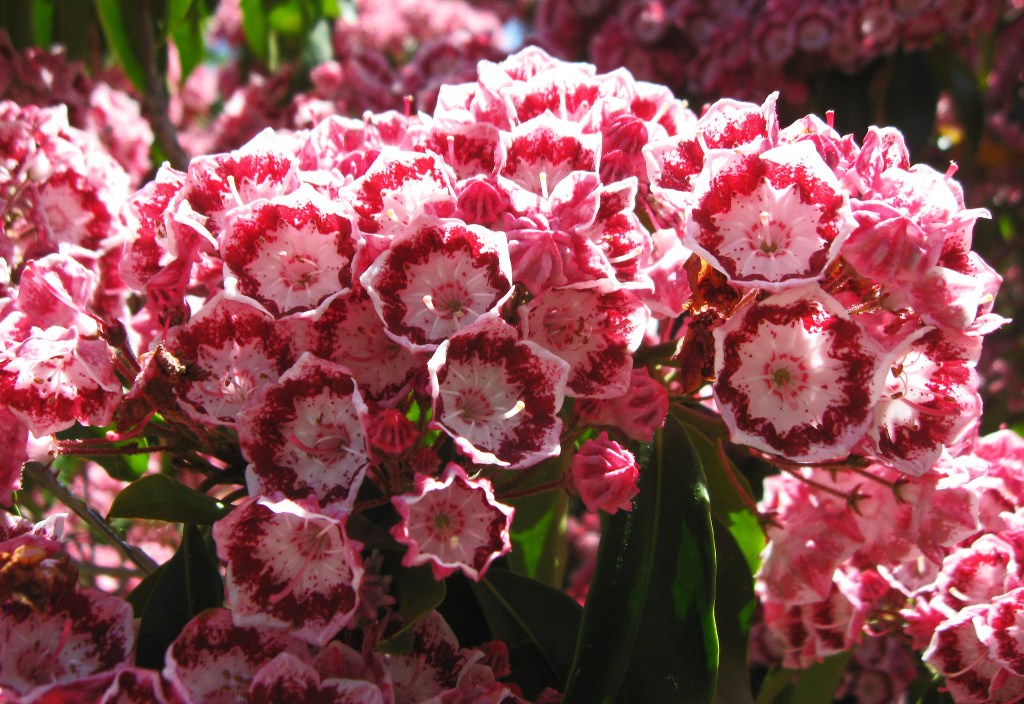
    Kalmia latifolia is an evergreen shrub with striking clusters of pink and white flowers that bloom in the spring and early summer. It grows about 10-15 feet tall and can form dense thickets called “laurel hells” in the wild. All parts of the plant are highly toxic.

    What It Looks Like
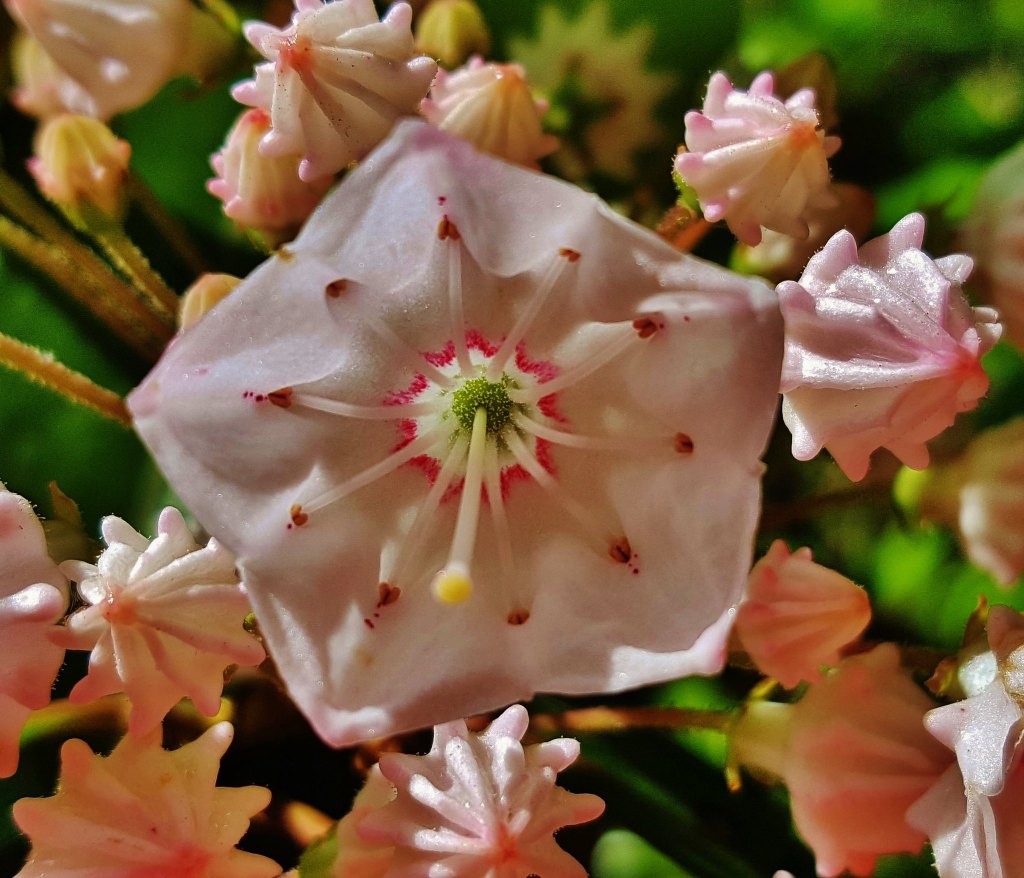
    Mountain laurel has tough, glossy, deep green leaves resembling rhododendron leaves, with bowl-shaped flowers that look pentagonal or hexagonal when you look at them straight-on. The flower also has a unique pollen dispersal method (possibly only interesting to botany nerds) where it uses a spring-loaded stamen like a catapult when a bee or other pollinator lands on it, flinging pollen far beyond the petals.

    (Photo by John)

    Use
    Mostly landscaping these days, though mountain laurel wood has been used for woodworking and crafts.

    Where You’ll Find It
    Mountain laurel is native to the eastern half of North America and it’s common in gardens — often in combination with poisonous neighbors like rhododendrons and azaleas.

    The Poison
    All parts of the mountain laurel contain andromedotoxin, arbutin and grayanotoxin, which can be deadly to humans and pets. The most common method of grayanotoxin poisoning in humans is through “mad honey” — honey made from the nectar of toxic plants. Some people cultivate this honey intentionally as a recreational drug (or traditional medicine) because it causes intoxication and hallucinations — but it’s hard to control the level of grayanotoxin, so there’s no safe dose. Mad honey can cause all the same nasty effects of its poisonous ingredients.

    Symptoms of Poisoning
    In humans and pets effects occur a few hours after ingestion. Milder symptoms include drooling, watering eyes, running nose, sweating, nausea, weakness, loss of appetite and muscle tremors. More serious cases include difficulty breathing, severe abdominal pain, diarrhea, vomiting, seizures, irregular heart rate and cardiac failure.

    (Photo by Matthew Beziat)

    Ruby Madder’s Recommendation
    Like other poisonous shrubs that don’t produce anything that resembles edible fruit, mountain laurel should be pretty safe in most places. Handle with care when pruning (and never burn the cuttings) and make sure small children know to leave it alone. Also, don’t mess with mad honey because there’s no way to know if you’ll have interesting hallucinations or an excruciating death.

  • Aconite

    The Plant
    Aconite is a generic name used for the hundreds of members of the genus Aconitum, including monkshood and wolfsbane. Nearly all of them are extremely poisonous.

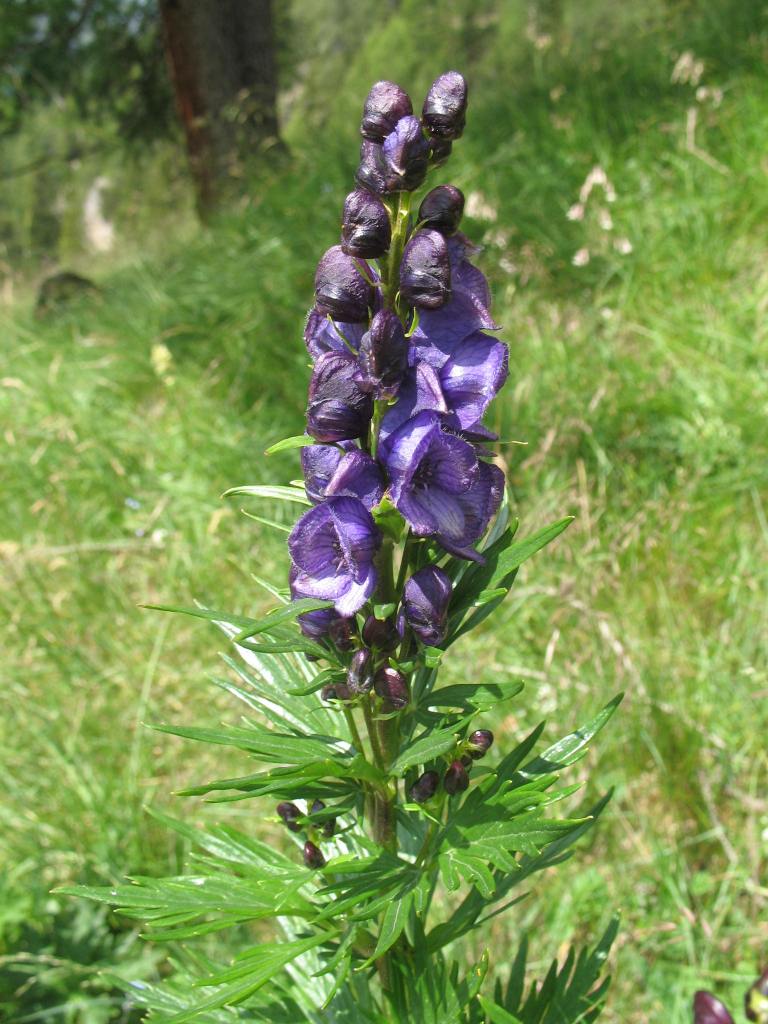
    (Photo by Intermountain Forest Service)

    What It Looks Like
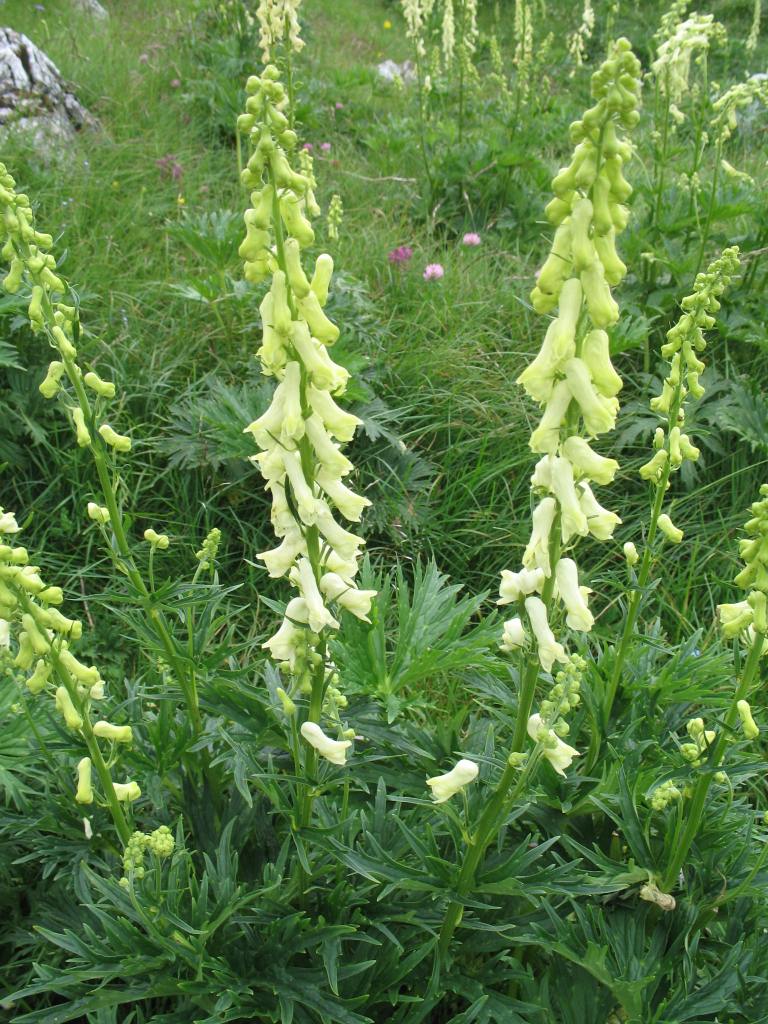
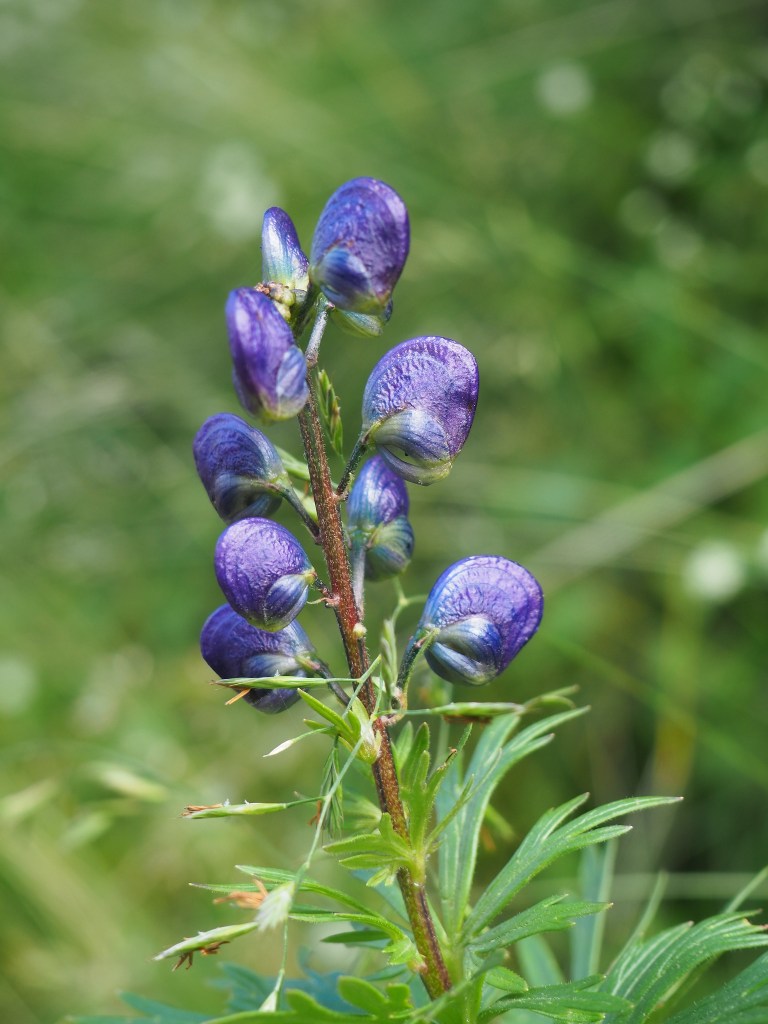
    Each stem has a large raceme — that’s a cluster of flowers that grow on short stems (pedicels) from the main stalk — and wide, palmate leaves with jagged edges. Monkshood (Aconitum napellus) flowers tend to be dark bluish-purple but wolfsbane (Aconitum vulparia) has white or yellow blooms and some hybrids can be pink.

    (Photo by Wendy Van Norden)
    (Photo by Wendy Van Norden)

    Use
    Historically: poison arrows, murder
    Currently: Decorative

    Where You’ll Find It
    Aconites are native to the Northern Hemisphere and are (unwisely) used in gardens, so maybe at your local garden nursery.

    The Poison
    Aconitine is a nasty one. Ingesting just 1 gram of the plant’s leaves, roots or flowers can be fatal. The Romans used aconitine extract to make poison arrows and there’s a myth that the goddess Hecate created it from the saliva of Cerberus, the three-headed hellhound.

    Symptoms of Poisoning
    Depending on the type of contact and the dosage, contact with aconitine can cause anything from dizziness and numbness to excruciating death. Even touching the plant without gloves can cause numb fingertips. If someone consumes it they can expect to react 20 minutes to 2 hours later, first with sweating, nausea and paresthesia (that’s the medical term for weird skin sensations like pins and needles, tingling, prickling and chills) and quite likely muscle weakness and numbness of the face. Next up is severe vomiting, diarrhea and intense abdominal pain. Other symptoms can include heart palpitations, chest pain, hyperventilation, difficulty breathing, headache and confusion, but they all progress to paralysis and heart failure.

    (photo by Teresa Grau Ros)

    Ruby Madder’s Recommendation
    Though their flowers are pretty, the poison is simply too risky, since it can be absorbed through the skin. Only a knowledgeable gardener should grow these. Safer alternatives include the less-deadly (but still poisonous) delphiniums and larkspurs.

  • Poison Ivy (and Its Nasty Cousins)

    The Plants
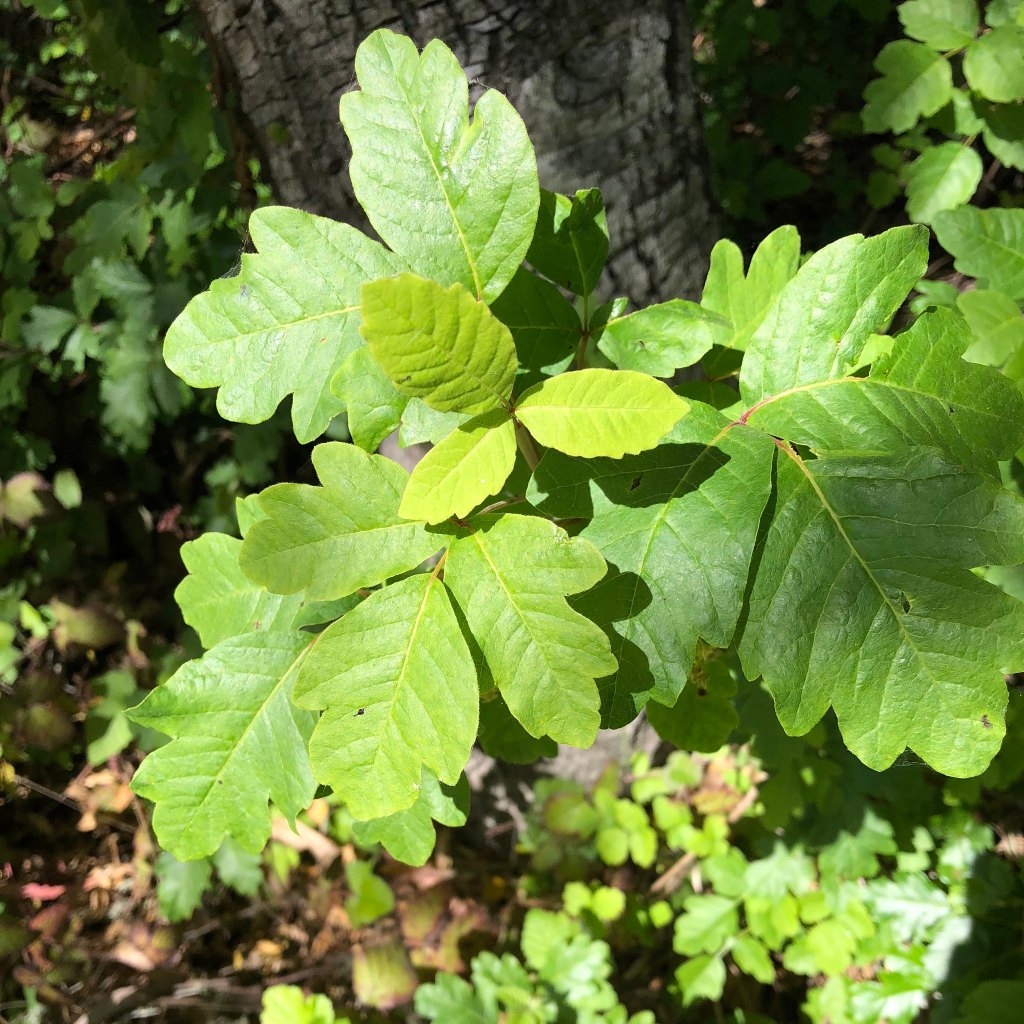
    Toxicodendron (meaning “poison tree”) is a genus of plants that aren’t technically poisonous in the sense that they’d kill you if you ate them — they’re skin irritants thanks to a highly allergenic compound called urushiol in their sap. Poison ivy isn’t technically an ivy, either, because it’s in the Anacardiaceae family (along with sumacs and cashews) rather than the Araliaceae family with the true ivies.

    Toxicodendrons include several subspecies of poison ivy (T. radicans, T. rydbergii and T. orientale) plus poison oak (T. diversilobum — not actually an oak) and poison sumac (T. vernix). All contain urushiol and will cause nasty, itchy rashes.

    Poison ivy leaves (photo by cygnus921)

    Use
    Nope. Nothing. This family is just terrible.
    (Actually there are a few members of the Toxicodendron family in Asia, like the Chinese lacquer tree and the Japanese Hazenoki tree, which are used to make lacquer… but they’re still irritants.)

    Where You’ll Find Them
    Pretty much everywhere in North America. The eastern half gets poison ivy, while poison oak grows in the West and South and poison sumac grows in the East and South, but mostly in swampy areas.

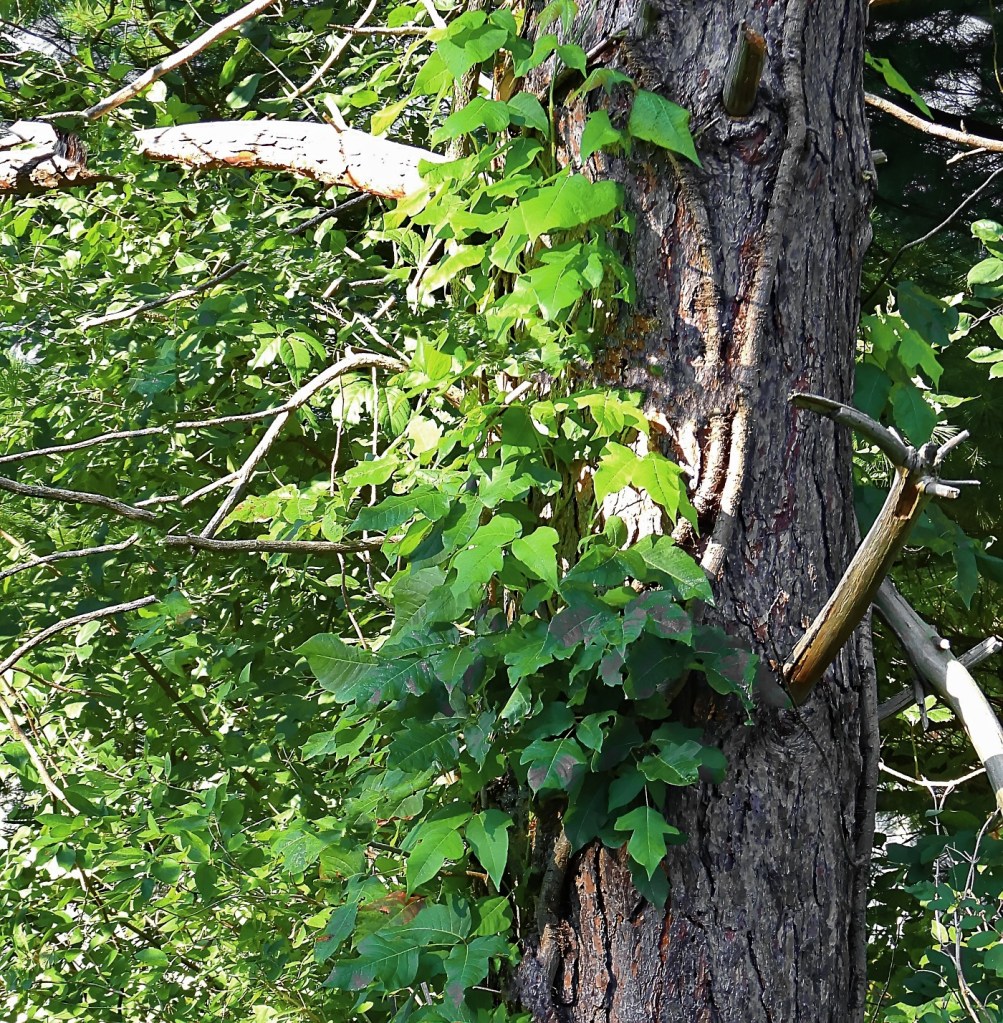
    Poison ivy growing as a vine (Photo by Jo Zimny)

    The Poison/Allergen
    Urushiol is a skin irritant that causes extreme itching and gross blisters after contact. While it’s not a poison in the same way that deadly plants like hemlock and belladonna are, it would cause the same skin irritation through your digestive tract if you ate it, so don’t do that. The oil can also be spread through burning, so don’t try disposing of it that way. Extreme cases can require hospitalization and someone could potentially die from anaphylaxis after burning poison ivy and inhaling the urushiol.

    Fun fact: Not everyone is allergic to urushiol, but people can develop allergies to it over time with increased exposure — so if you’re not allergic now, you might not want to show off by handling poison ivy leaves for fun.

    Poison oak (photo by melystu)

    Symptoms of “Poisoning”
    Oh, you’ll know. Skin irritation after contact with urushiol usually appears within a few hours (though it can take days to appear) and can last for weeks if you’re unlucky. It generally starts with small itchy bumps that can develop into yellowish blisters. Many people think the blisters contain urushiol and the rash will spread if the blisters break, but that’s not true — if more bumps and blisters appear later they’re almost always a delayed response to the initial exposure. However, urushiol can also be spread by contact with surfaces like shoes, gardening tools and even pets.

    Ruby Madder’s Recommendation
    These irritating plants are hard to avoid, but once you’ve experienced the gross, annoying dermatitis they cause, you may want to steer clear of every plant with three leaves. My advice is to avoid them when possible, and if you think you’ve been exposed wash everything thoroughly and stock up on anti-itch cream.

  • Oleander

    The Plant
    Nerium oleander — commonly known as oleander or sometimes just nerium — is a flowering shrub that’s widely used in landscaping. It belongs to a family of plants called Apocynaceae, or “dog bane,” which should tell you all you need to know: Anything with “bane” in the name is likely to be poisonous.

    What It Looks Like
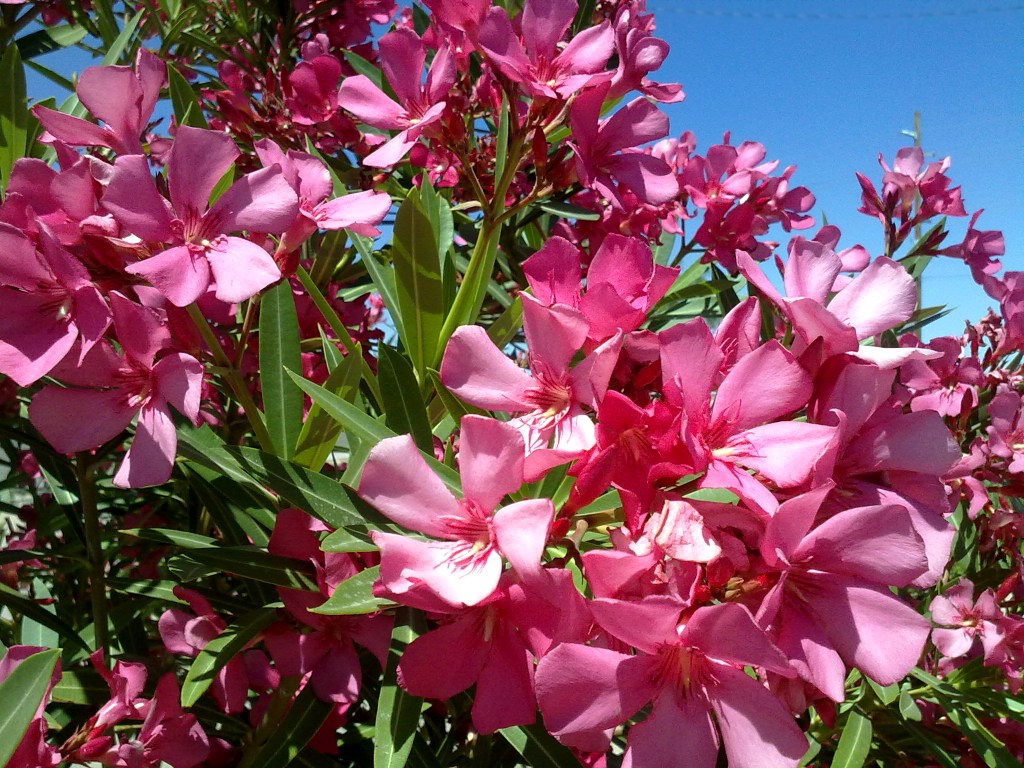
    Oleanders have been cultivated all over the world, resulting in a range of colors, shapes and sizes from 3 to 20 feet tall. Five-petaled clusters of large flowers range from white and pale yellow to pretty much every possible shade of pink and some are variegated, or striped. They have long, narrow leaves with a smooth, leathery texture.

    (Photo by Hadley Paul Garland)

    Use
    In warm climates they’re popular in landscaping because they’re evergreen, with dense foliage that makes good hedges. Oleanders are large, fast-growing shrubs that are heat- and drought-resistant.

    Where You’ll Find It
    Oleanders prefer a subtropical or Mediterranean climate and are well-suited to the Southern U.S., though some hardier varieties are found farther north. They’re common in California and along the Pacific coast.

    The Poison
    Oleanders contain toxic cardiac glycosides including oleandrin, oleandrigenin, digitoxigenin, oleondroside and neriin. All parts of the plant are toxic and even honey made from the nectar can be deadly. The plant’s sap can cause severe skin irritation in small doses and blindness if it gets in your eye.

    Symptoms of Poisoning
    Cardiac glycosides affect the heart, causing decreased and irregular heart rate, low blood pressure, circulatory problems, dizziness and weakness. Oleanders also cause the usual gastrointestinal poisoning symptoms of vomiting, diarrhea, stomach pain and nausea, and they can cause dilated pupils, blurred vision, headache, fainting and seizures. Severe cases lead to respiratory failure, coma and death.

    Ruby Madder’s Recommendation
    As poisonous plants go, this one seems relatively safe to plant in your yard if you’re not a beekeeper and you don’t have small kids or plant-eating pets. It’s not easily mistaken for something edible and the poison is so bitter no one would want to eat it. Be careful with the sap, though — always wear gloves — and never burn the cuttings.

    ,
  • Digitalis

    The Plant
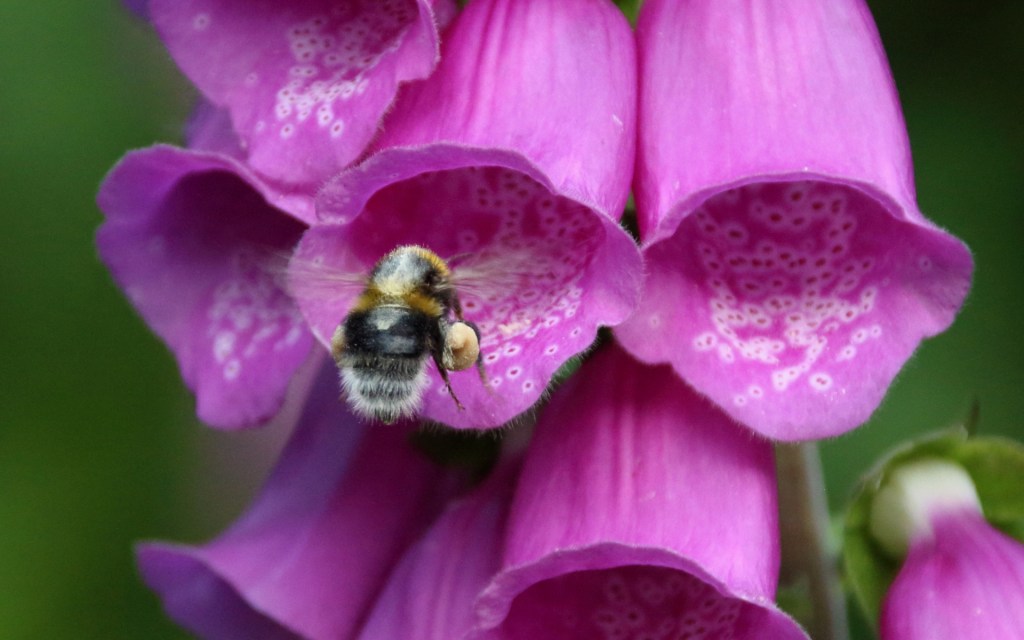
    Digitalis is a genus of 20 flowering plants including the best known, Digitalis purpurea. The name “digitalis” is from the Latin word for “finger” because the tube-like flowers are sort of fingerlike (if you squint a lot or if you have really fat fingers). They’re sometimes called witch’s gloves, dead man’s bells or foxgloves (which is a much cuter mental picture). Bees also like to climb right up inside the blossoms, which is adorable.

    (Photo by kthtrnr)

    What It Looks Like
    This herbaceous biennial grows as a single (or occasionally double) spike with large, hairy oval leaves at the bottom and a cluster of bell-shaped flowers along the top. The flowers, which appear in early summer, are often pink or purple with speckles inside, but some varieties can be yellow or white. It can grow from 3-6 feet tall.

    (Photo by sarowen)

    Use
    This is a truly useful poisonous plant because it contains the cardiac glycosides digitoxin and digoxin, which are used to make heart medicine.

    Where You’ll Find It
    Digitalis is native to Europe but has naturalized in North America and grows wild. It’s hardy and can grow in acidic soil and waste land, so it’s sometimes seen as a weed. It’s also pretty enough that plenty of gardeners include it in their flowerbeds.

    The Poison
    Digitalis contains the cardiac glycosides digitoxin and digoxin, which disrupt the heart’s contractions. Though every part of the plant is dangerous — and the poison can be absorbed through the skin — fatal poisonings are rare, probably because it doesn’t look edible.

    Symptoms of Poisoning
    Digitalis poisoning provokes the standard get-it-out-now response to toxins: nausea, vomiting, diarrhea and abdominal pain. But like belladonna, it also messes with the victim’s sight: blurry vision, blue halos around objects, yellow and green discoloration, dilated pupils and hallucinations. In case that somehow sounds fun, it also causes convulsions, drooling, severe headache, fever, irregular pulse and yes, even death.

    Ruby Madder’s Recommendation
    Since it’s not easily mistaken for something delicious, it’s probably safe enough in a flowerbed if you don’t have small kids or pets that like to eat plants (it is toxic to cats and dogs, though, so keep that in mind). Wear gloves when you handle it and treat it with care.

    ,
  • Bittersweet Nightshade

    (Photo by Joshua Mayer)

    The Plant
    Solanum dulcamara, also known as bittersweet nightshade or poisonberry, and its cousin Solanum nigrum, aka black nightshade, are in the same family as Atropa belladonna, better known as deadly nightshade. As you can probably guess from the names, they’re not good for you.

    What It Looks Like
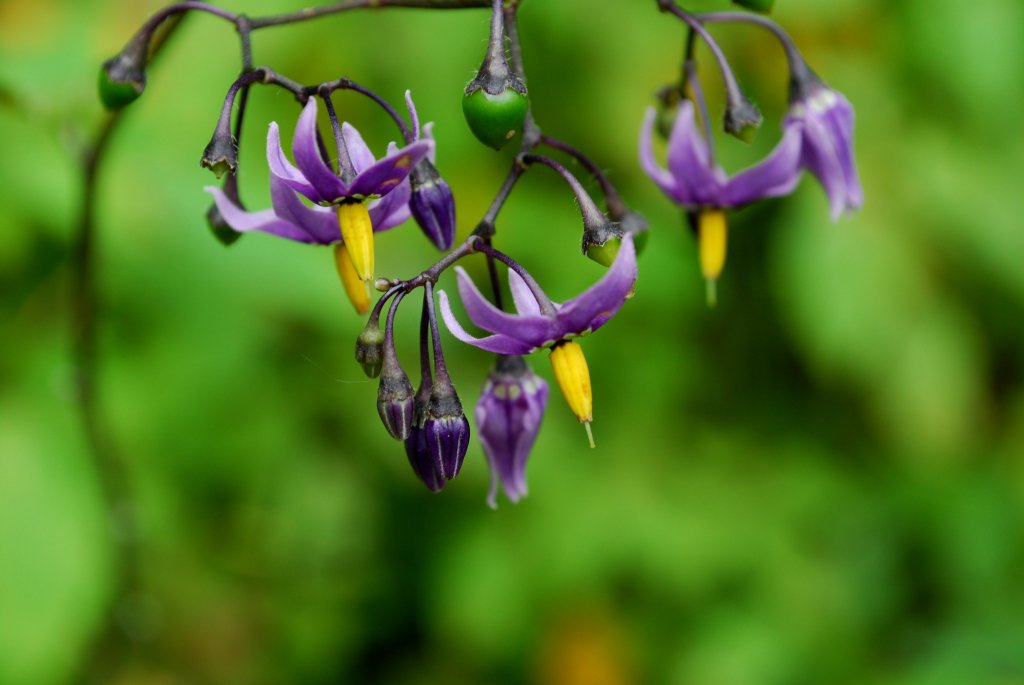
    A sprawling vine or woody shrub with slender, purplish stems and small, smooth leaves with a purplish hue. Flowers are star-shaped with five pointed blueish-purple petals that curl away from a large, bright yellow anther protruding from the center. The flowers grow in drooping clusters and form into small round berries that change from green to orange to red.

    (Photo by Hornbeam Arts)

    Use
    It was previously been used for various questionable-sounding medicinal purposes.

    Where You’ll Find It
    Bittersweet nightshade is native to Northern Africa, Europe and Asia but has spread all over. It grows wild throughout the northern United States in a variety of habitats. In the Great Lakes region it’s considered an invasive species. Some nightshades are used in landscaping, while others will creep into your gardens as weeds.

    The Poison
    Not quite as nasty as belladonna, the solanine in these nightshades could still make you very sick — or kill you if you’re especially unlucky or careless. Fatal human poisonings are rare, but grazing animals have been known to get sick from munching on nightshades.

    Symptoms of Poisoning
    With these nightshades symptoms may be delayed 6-12 hours and follow a more traditional route than the weird symptoms of belladonna. Bittersweet nightshade causes abdominal cramping, vomiting, diarrhea, fever, sweating, confusion and cardiac arrhythmia. If you consume enough to kill you, it’ll be heart attack or respiratory failure that does you in.

    Ruby Madder’s Recommendation
    Other nightshades are much less toxic but still have the distinctive purple/blue flowers, like potato bush plant (Lycianthes rantonnetii) and Chilean potato vine (Solanum crispum). There are edible varieties of nightshades, but why take the chance?

    , , ,
  • Why a Poison Guide?

    Would you leave a jar of cyanide on your kitchen counter? A box of rat poison on the living room floor? A pile of arsenic on your front porch? Of course not. But your yard might be full of things that are just as dangerous — plants you cheerfully walk past every day.


    Ever since I was little and my mom warned me away from certain plants at the garden center, I’ve been fascinated by how many common species people put in their houses or grow in their flowerbeds could actually kill them. From daffodil bulbs in the spring to festive Christmas poinsettias, people surround themselves with toxins without even knowing it. Kids and pets accidentally consume poisonous berries and flowers all the time, and even experienced foragers sometimes pick the wrong mushroom or leaf and pay the price.


    You might think you’re safe because you don’t plan to snack on your landscaping, but plants are sneaky. Some are toxic to the touch. Others will harm you if you burn and inhale them. While many will only cause trouble if you consume them, some look alarmingly similar to safe, edible plants.


    The best way to stay safe is to know your poisons so you can avoid them.