The Plant
Aconite is a generic name used for the hundreds of members of the genus Aconitum, including monkshood and wolfsbane. Nearly all of them are extremely poisonous.

What It Looks Like
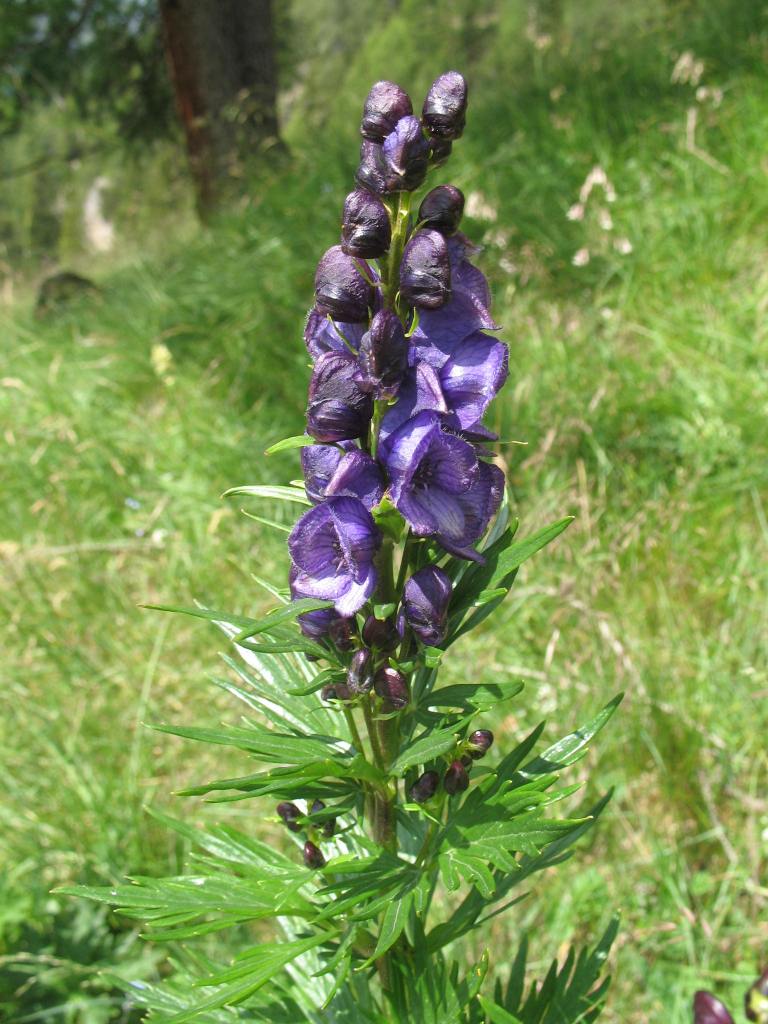
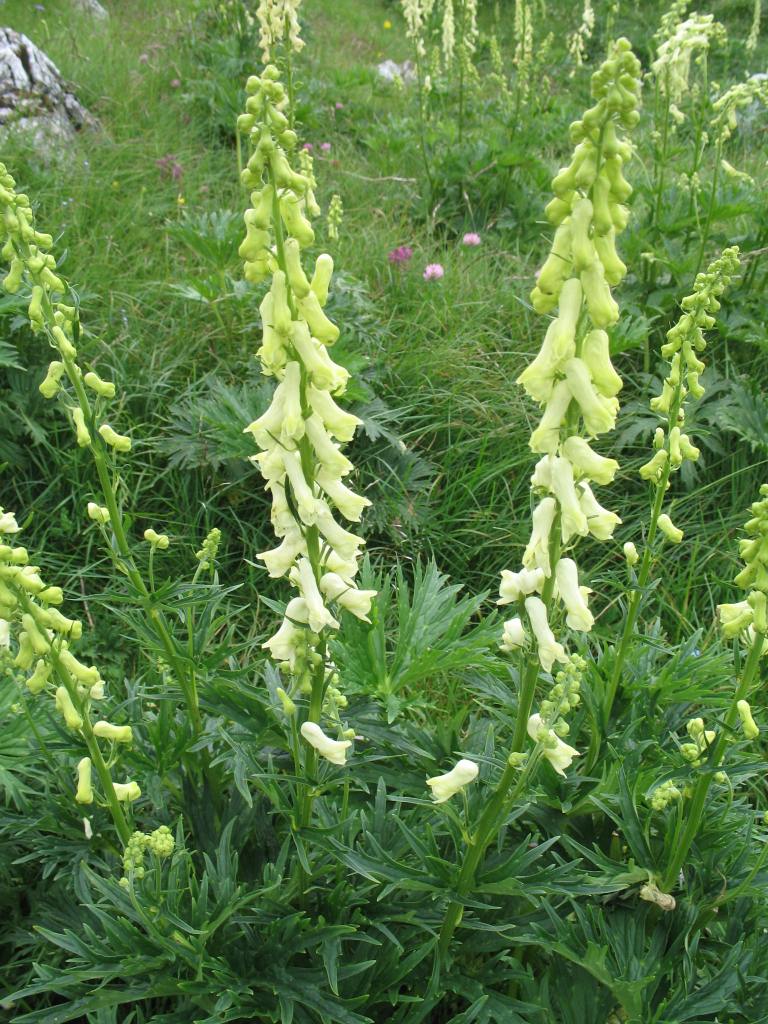
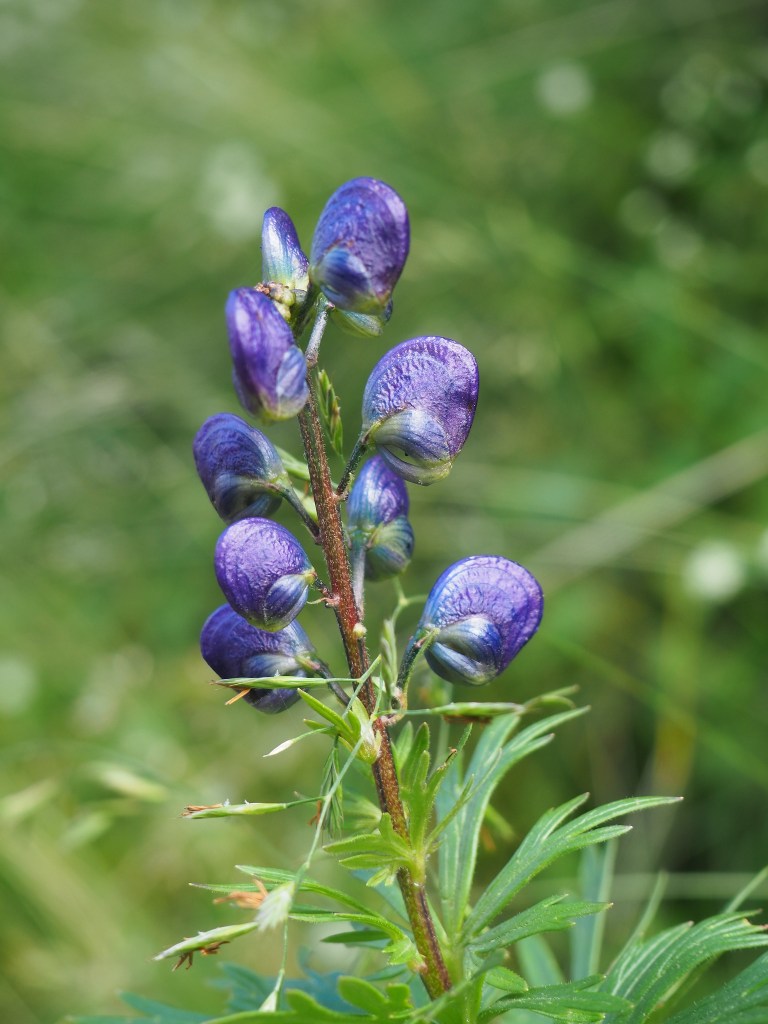
Each stem has a large raceme — that’s a cluster of flowers that grow on short stems (pedicels) from the main stalk — and wide, palmate leaves with jagged edges. Monkshood (Aconitum napellus) flowers tend to be dark bluish-purple but wolfsbane (Aconitum vulparia) has white or yellow blooms and some hybrids can be pink.
Use
Historically: poison arrows, murder
Currently: Decorative
Where You’ll Find It
Aconites are native to the Northern Hemisphere and are (unwisely) used in gardens, so maybe at your local garden nursery.
The Poison
Aconitine is a nasty one. Ingesting just 1 gram of the plant’s leaves, roots or flowers can be fatal. The Romans used aconitine extract to make poison arrows and there’s a myth that the goddess Hecate created it from the saliva of Cerberus, the three-headed hellhound.
Symptoms of Poisoning
Depending on the type of contact and the dosage, contact with aconitine can cause anything from dizziness and numbness to excruciating death. Even touching the plant without gloves can cause numb fingertips. If someone consumes it they can expect to react 20 minutes to 2 hours later, first with sweating, nausea and paresthesia (that’s the medical term for weird skin sensations like pins and needles, tingling, prickling and chills) and quite likely muscle weakness and numbness of the face. Next up is severe vomiting, diarrhea and intense abdominal pain. Other symptoms can include heart palpitations, chest pain, hyperventilation, difficulty breathing, headache and confusion, but they all progress to paralysis and heart failure.
Ruby Madder’s Recommendation
Though their flowers are pretty, the poison is simply too risky, since it can be absorbed through the skin. Only a knowledgeable gardener should grow these. Safer alternatives include the less-deadly (but still poisonous) delphiniums and larkspurs.
 Ruby Madder's Field Guide to Poisonous Plants
Leave a comment