The Plants
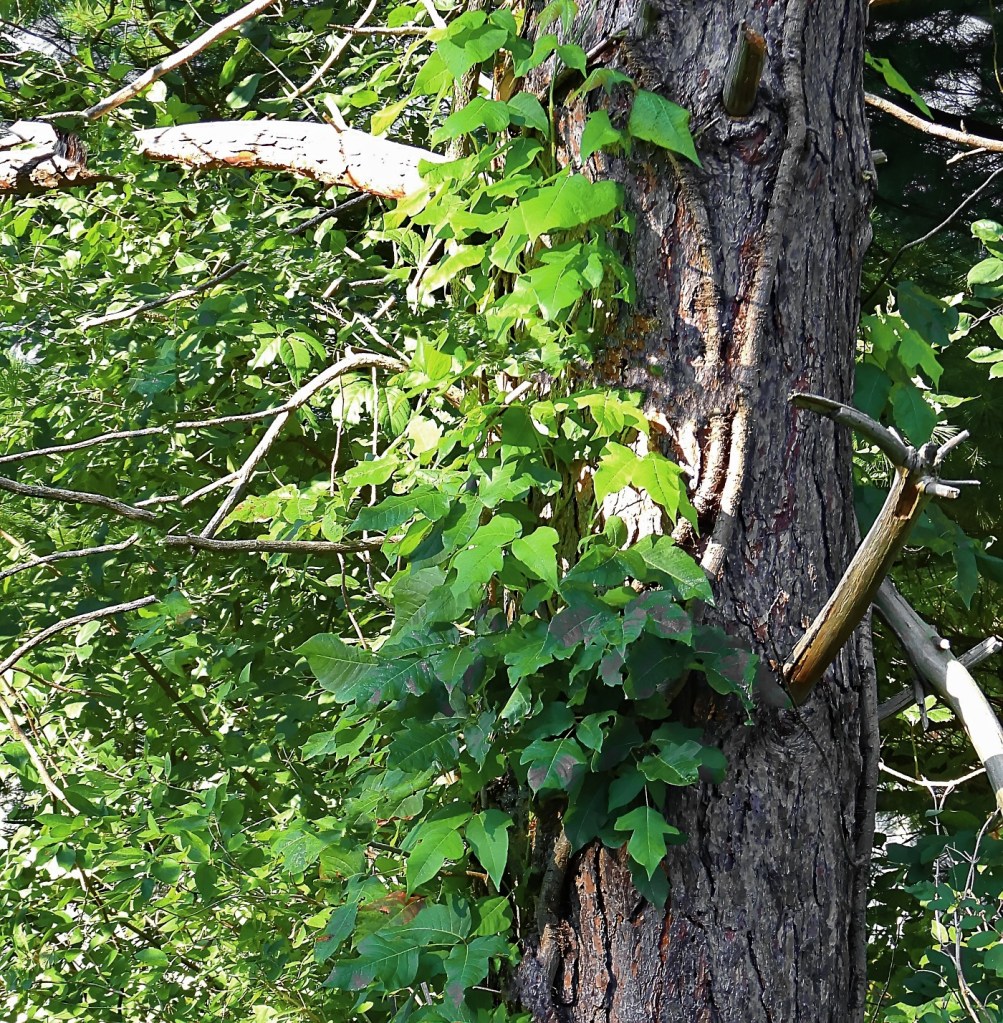
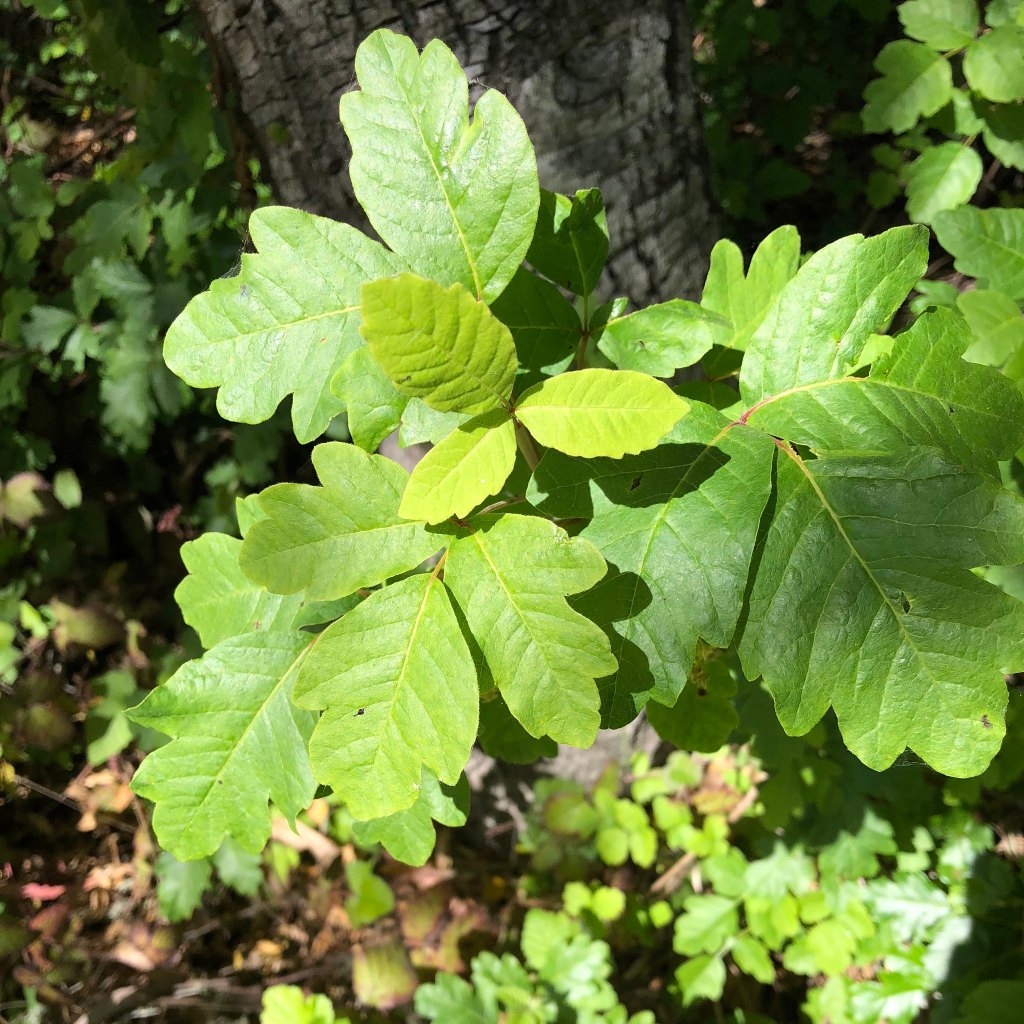
Toxicodendron (meaning “poison tree”) is a genus of plants that aren’t technically poisonous in the sense that they’d kill you if you ate them — they’re skin irritants thanks to a highly allergenic compound called urushiol in their sap. Poison ivy isn’t technically an ivy, either, because it’s in the Anacardiaceae family (along with sumacs and cashews) rather than the Araliaceae family with the true ivies.
Toxicodendrons include several subspecies of poison ivy (T. radicans, T. rydbergii and T. orientale) plus poison oak (T. diversilobum — not actually an oak) and poison sumac (T. vernix). All contain urushiol and will cause nasty, itchy rashes.

Use
Nope. Nothing. This family is just terrible.
(Actually there are a few members of the Toxicodendron family in Asia, like the Chinese lacquer tree and the Japanese Hazenoki tree, which are used to make lacquer… but they’re still irritants.)
Where You’ll Find Them
Pretty much everywhere in North America. The eastern half gets poison ivy, while poison oak grows in the West and South and poison sumac grows in the East and South, but mostly in swampy areas.
The Poison/Allergen
Urushiol is a skin irritant that causes extreme itching and gross blisters after contact. While it’s not a poison in the same way that deadly plants like hemlock and belladonna are, it would cause the same skin irritation through your digestive tract if you ate it, so don’t do that. The oil can also be spread through burning, so don’t try disposing of it that way. Extreme cases can require hospitalization and someone could potentially die from anaphylaxis after burning poison ivy and inhaling the urushiol.
Fun fact: Not everyone is allergic to urushiol, but people can develop allergies to it over time with increased exposure — so if you’re not allergic now, you might not want to show off by handling poison ivy leaves for fun.
Symptoms of “Poisoning”
Oh, you’ll know. Skin irritation after contact with urushiol usually appears within a few hours (though it can take days to appear) and can last for weeks if you’re unlucky. It generally starts with small itchy bumps that can develop into yellowish blisters. Many people think the blisters contain urushiol and the rash will spread if the blisters break, but that’s not true — if more bumps and blisters appear later they’re almost always a delayed response to the initial exposure. However, urushiol can also be spread by contact with surfaces like shoes, gardening tools and even pets.
Ruby Madder’s Recommendation
These irritating plants are hard to avoid, but once you’ve experienced the gross, annoying dermatitis they cause, you may want to steer clear of every plant with three leaves. My advice is to avoid them when possible, and if you think you’ve been exposed wash everything thoroughly and stock up on anti-itch cream.
 Ruby Madder's Field Guide to Poisonous Plants
Leave a comment